For many first-time visitors, the idea of driving in Morocco can be daunting. You've heard stories about chaotic city traffic, mountain hairpins, and frequent police checkpoints. But here's the truth: **Morocco's road infrastructure is among the best in Africa**, and once you understand the local "rules of the road," it is a safe and incredibly rewarding way to see the country.
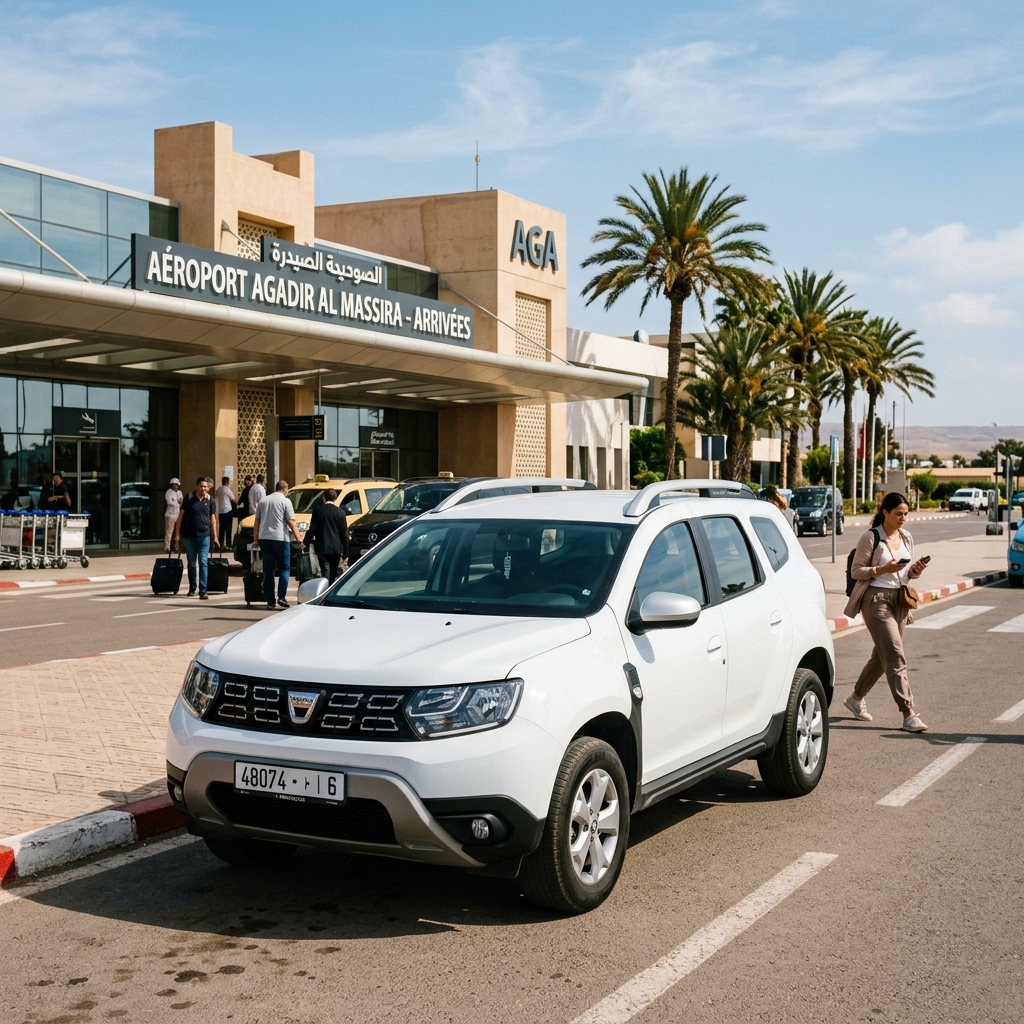
At Afaiz Car, our mission is to ensure you feel confident the moment you pull out of the Agadir Airport parking lot. In this guide, we've distilled 15 years of local driving knowledge into 25 essential tips for 2026.
The Basics: Laws and Documentation
- Drive on the Right: Like most of Europe and North America, we drive on the right side of the road.
- Seatbelts: Mandatory for all passengers, front and back. The police *will* stop you for this.
- Mobile Phones: Handheld phone use is strictly prohibited. If you need navigation, use a dashboard mount.
- Alcohol: Morocco has a **Zero Tolerance** policy for drink-driving. Do not drink even one beer if you plan to drive.
Speed Limits & Speed Cameras
Morocco is serious about speed. There are fixed cameras and mobile radar traps everywhere.
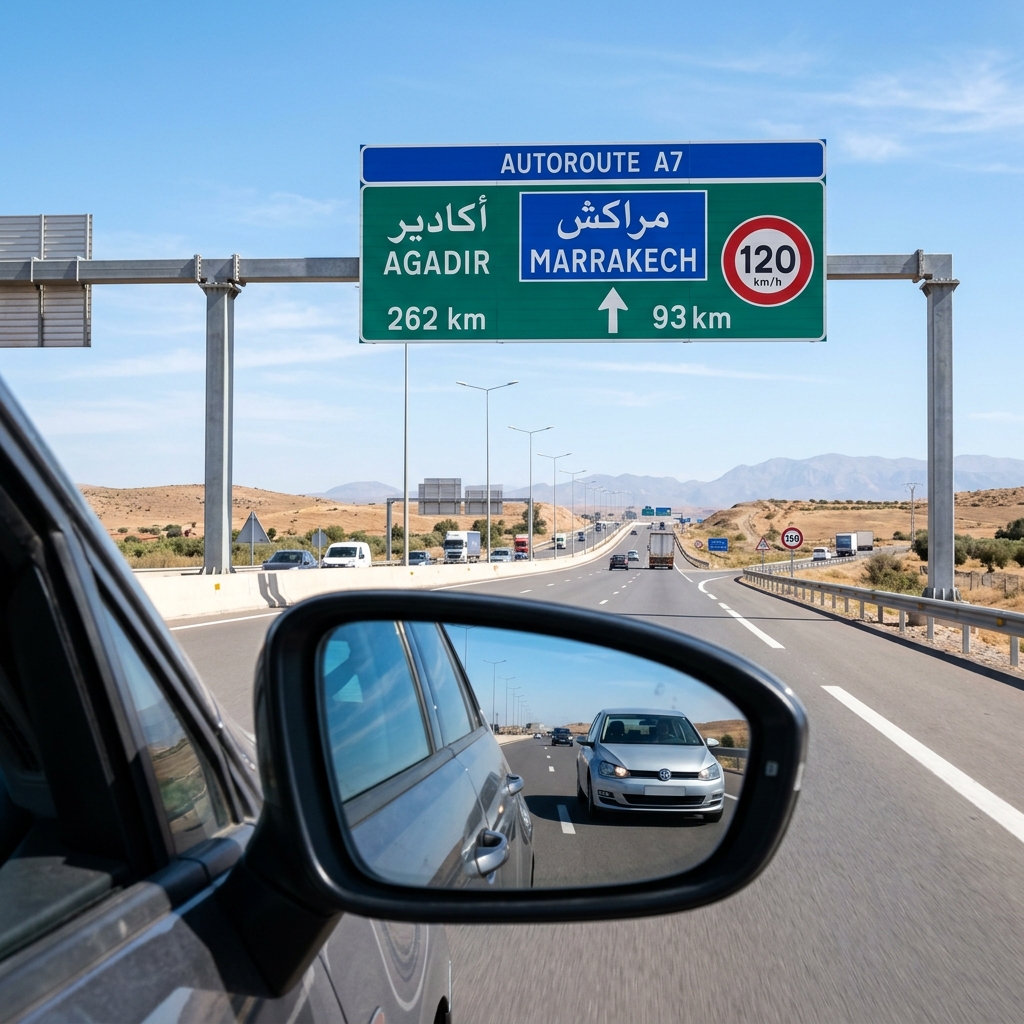
- Highway (Autoroute): 120km/h.
- Open Roads: 80km/h or 100km/h (watch the signs).
- Urban Areas: 40km/h or 60km/h.
Tip: If you see oncoming drivers flashing their headlights at you, it usually means there is a radar trap or a police checkpoint ahead. It's a common "courtesy" among Moroccan drivers.
Police Checkpoints: Don't Panic!
You will encounter police or Gendarmerie checkpoints frequently, especially at the entrances and exits of cities.
- The Protocol: Slow down as you approach. If there is a sign that says "HALTE" or "STOP," you must come to a complete stop until the officer waves you through.
- Interaction: They are usually very polite to tourists. They will ask for your "Papiers" (Passport and Rental Contract). If you rented with a trusted local agency, your contract will be in order and the process will take 30 seconds.
- Bribes: **Never offer a bribe.** In 2026, the Moroccan police are highly professional and have body cameras. If you get a ticket, ask for the official receipt and pay the fine at the nearest police station or on the spot if they have an official terminal.
City Driving: The "Big City" Chaos
Driving in Marrakech or Casablanca is very different from driving in Agadir.
- The Mopeds: In Marrakech, mopeds are everywhere. They will overtake you on both sides. Check your mirrors constantly.
- Right of Way: In roundabouts, usually, the priority is to those already inside, but always double-check for the "Priority to the Right" sign.
- Parking: Look for the men in blue/orange vests. They are the official (or semi-official) parking attendants. Pay them 5-10 MAD when you leave.
Mountain & Rural Driving
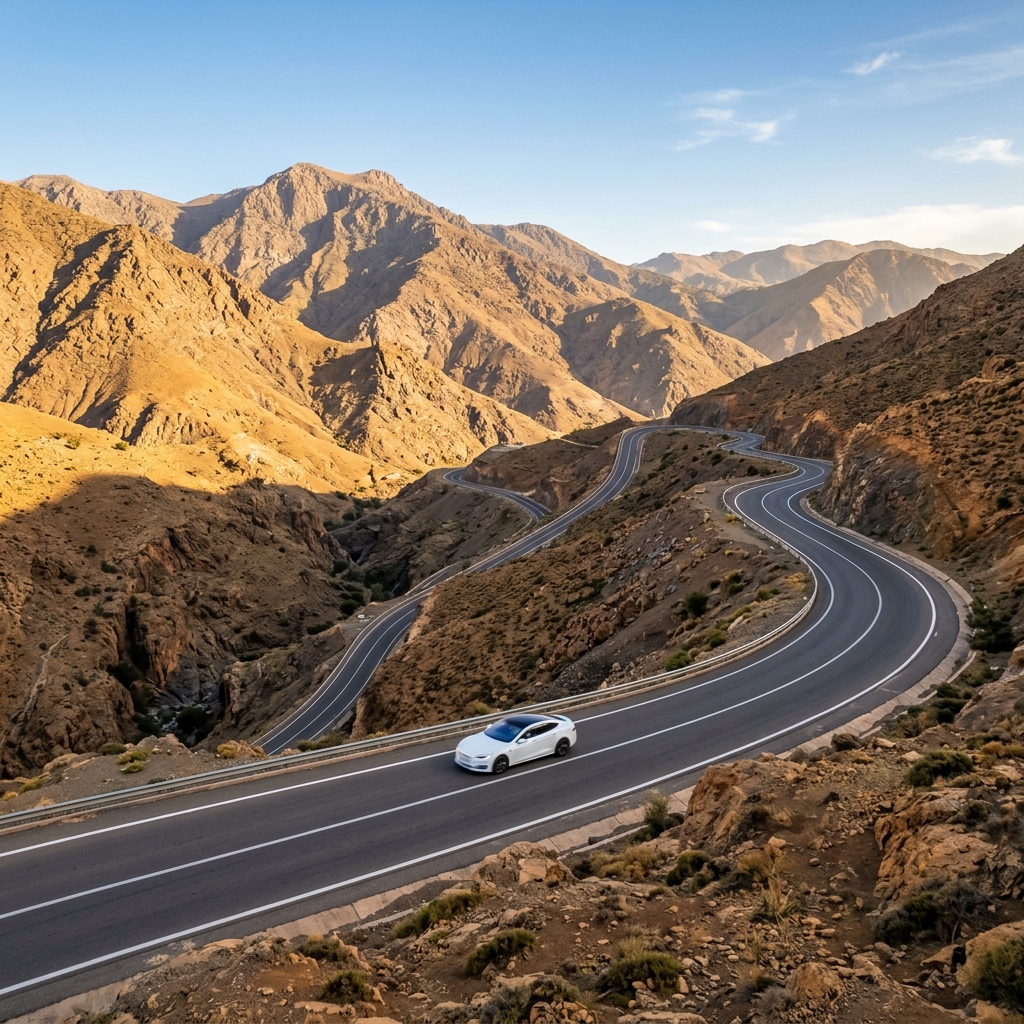
- Honking: In the mountains, it is common to give a short honk before entering a blind hairpin turn to alert oncoming traffic.
- Donkeys & Livestock: In rural areas, you are sharing the road with donkeys, sheep, and camels. They always have the right of way!
- Night Driving: Avoid it if possible. Many rural vehicles don't have working lights, and pedestrians often walk on the edge of the road in dark clothing.
Fuel & Tolls
- Fuel Type: Ensure you know if your car is "Gazole" (Diesel) or "Essence" (Petrol). 90% of rental cars in Morocco are Diesel.
- Gas Stations: Afriquia, Shell, and Total are the most reliable. Most have cafes and clean toilets.
- Tolls: Keep small change (10, 20 MAD notes) handy for the highway toll booths.
Conclusion
Driving in Morocco is an adventure in the best sense of the word. It allows you to see the "Real Morocco" that tour buses miss. By following these rules and staying alert, you'll find that the roads of Morocco are your best friend.
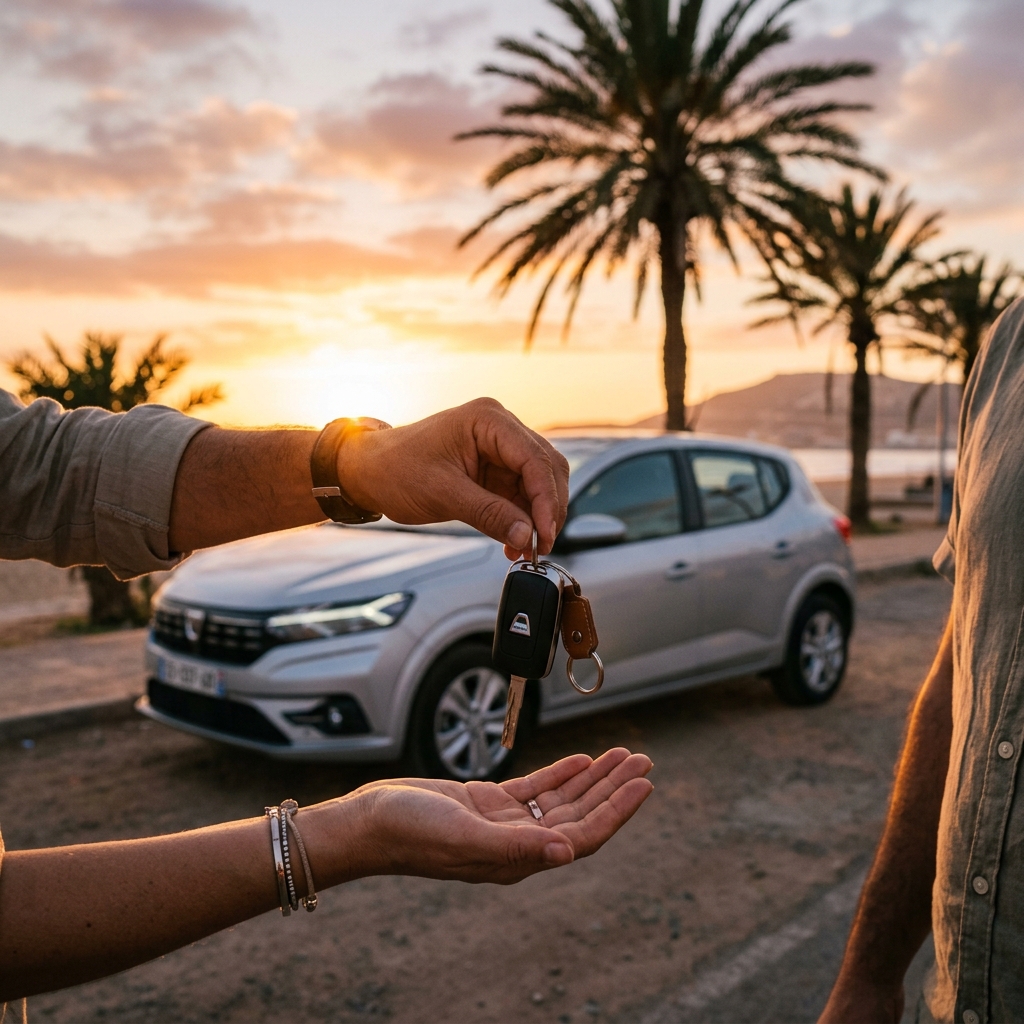
Need a car for your 2026 adventure? Browse our latest models or read our Agadir Airport Pickup Guide to start your trip right.